Replying to Missed Calls with a Message: When It Helps
Why a quick message after a missed call can save a customer, how to write it, which rules apply, and when a call-back is the better choice.
Every business misses calls. The owner is with a customer, the team is at lunch, the line is busy or it is after hours. The caller then has to decide whether to try again, try a competitor or give up. A prompt reply changes that decision. It says "we saw your call and we will help", and it often reaches the person before they have started looking elsewhere.
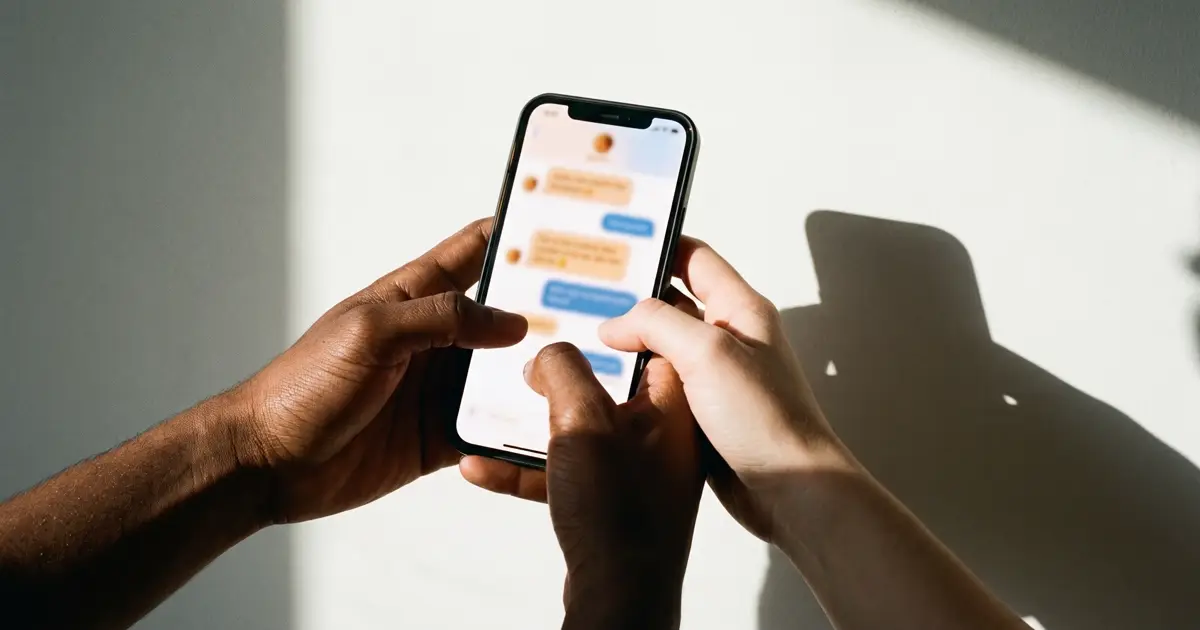
This guide looks at when a reply message works, how to write one, what rules to keep in mind and how it fits with call-backs. For the cost of missing calls in the first place, see The Cost of Missed Calls.
Why a reply message works
A caller who gets no answer usually does not wait. Many do not leave a voicemail and most will not call back later. A short message on their phone is hard to ignore, easy to answer and shows that someone cares. For a small business it is often the cheapest way to avoid losing an enquiry.
What a good reply achieves
- AcknowledgesThe person knows their call was noticed, not lost.
- Saves effortThey can reply with a question or a time instead of dialling again.
- Sets expectationsIt says when someone will respond, so they can stop worrying.
- Collects informationA short question can capture the reason for the call before you ring back.
It works best where the caller was likely a customer or a prospect, and less well for spam or wrong numbers, which is why you should be able to exclude known numbers.
Write a message people will answer
The message should be short, human and useful. Say who you are, say that you missed the call, say what will happen next and offer a simple way to respond. Avoid marketing language and links to long pages. One clear question is better than three.
Two versions of the same reply
| Weak | Better | |
|---|---|---|
| Opening | "Thank you for contacting us. Your call is important." | "Hello, this is the team at Oak Street Dental. We missed your call." |
| Next step | "Please call again later." | "We will ring you back before noon tomorrow, or reply with a time that suits you." |
| Question | None. | "What was your call about?" |
| Tone | Corporate and generic. | Warm and specific. |
Keep it brief enough to read at a glance. Do not include sensitive details; the message may be seen by anyone who picks up the phone. Match the language to the caller where you can, and make sure the message cannot be mistaken for a marketing text.
Mind consent, rules and who is a customer
Sending an automatic message is a form of contact, and rules about contact differ by country. Some regions allow a single reply to someone who has just called you; others require prior consent for automated texts, and many restrict marketing content. Messages that sell something are treated differently from messages that respond to an enquiry. Keep the reply strictly about the call.
- Respond only to the person who called, never to a list.
- Keep the content to the call; do not add promotions.
- Offer a way to stop further messages, and honour it at once.
- Do not reply to numbers you know are blocked, withheld or on an opt-out list.
- Keep a record of what was sent, to whom and when.
Remember that Call itself does not text customers by default. Text messaging is switched off unless an operator turns it on, so any reply message described here is a general practice that depends on what your organisation has enabled.
A message is a bridge to a call-back
The reply buys you time; it does not solve the problem. The caller still expects a call or an answer. Plan the whole sequence, and decide who owns each step.
From missed call to resolved
- DetectList missed calls, with the time, the number and the queue.
- ReplySend a short acknowledgement, if allowed, with the time you will call back.
- Call backRing at the promised time, or earlier, and refer to the missed call.
- LogRecord whether you reached them and what they needed.
- RetryIf there is no answer, leave a short voicemail or message and set another attempt.
The promise is the key. If your message says "within the hour", someone must be assigned to call within the hour. A broken promise is worse than silence. Callbacks and Voicemail covers how to manage the list so nothing is dropped, and Callback Completion Rate shows how to measure it.
When not to send a message
A message is not always right. Skip it when the caller is likely to be a vulnerable person who might be alarmed by an unexpected text, when the number is a landline that cannot receive messages, when the call was from a known nuisance number or when you plan to call back within a minute. In some cases an immediate call-back is simply the better answer.
For after-hours calls, an automatic voice greeting or voicemail may do the job better than a message. After-Hours Call Handling compares the options.
Before turning on missed-call replies
- Allowed under the rules where your callers are
- Message reviewed and kept short, specific and non-promotional
- Opt-out option and process in place
- A person assigned to call back within the time you promise
- Known spam and blocked numbers excluded
- A weekly check of how many replies led to a conversation
Review the missed calls every day
Whatever you automate, someone should look at the list of missed calls each morning and at the end of the day. Patterns show up quickly: a spike at lunchtime suggests the rota needs a change, a cluster just after opening may mean the menu is confusing, and repeated misses from the same number deserve a human call. Group them by reason where you can: busy line, closed hours, nobody available, caller hung up while waiting.
Treat each missed call as a small piece of feedback on your service. If the same few causes account for most misses, a small change, such as moving a break, adding a queue overflow or recording a clearer after-hours greeting, will do more than any message. The Cost of Missed Calls and Answer Rate and Abandon Rate describe how to measure the problem.
Keep the tone right for the situation
A message that is perfect for a booking enquiry can feel wrong after a call about a bereavement or a complaint. If your business deals with sensitive matters, write plain, calm wording and avoid exclamation marks or anything cheerful. When in doubt, leave the automatic reply off for those queues and call back in person.
Missed calls in Call
In Call, calls that were not answered appear in call history, and a missed call reopens a handled thread in the Inbox so it comes back to the top. Callers who leave a message when a queue is closed or nobody answers show up under Voicemail in Inbound ops, with a transcript where one exists, and one press adds the caller to the Callbacks list. An agent can then take a call-back, ring the customer and record whether they were reached. Managers can recover callers who hung up while waiting. The call-back service level card shows how many were completed on time. Sending a text is separate: it is off until an operator turns it on, and the screen only reports that the message was accepted for sending, not that it was delivered.
Frequently asked questions
Is it acceptable to send a message to someone who just called me?
In many places a single reply that answers the call is acceptable, but rules vary. Check local law, keep the content to the call and offer a way to stop.
What should the message say?
Who you are, that you missed the call, when you will respond and one easy way to reply. Keep it short and avoid promotions.
Should the reply be automatic?
It can be, but then it must be accurate. If you promise a time, make sure someone is assigned to meet it.
What if the caller does not reply?
Call back at the time you said and leave a voicemail if there is no answer. Log each attempt so the team knows what has happened.
Does a message replace a voicemail?
No. Voicemail lets the caller explain; a message tells them you saw the call. Use both where you can.
How do I know whether it works?
Compare how many missed callers you reach, how many reply and how many call-backs are completed within the promised time.