AI Phone Handling for Wedding Venues and Event Spaces
How wedding venues can capture every enquiry warmly, keep availability and quotes with coordinators and stay reachable on busy weekends.
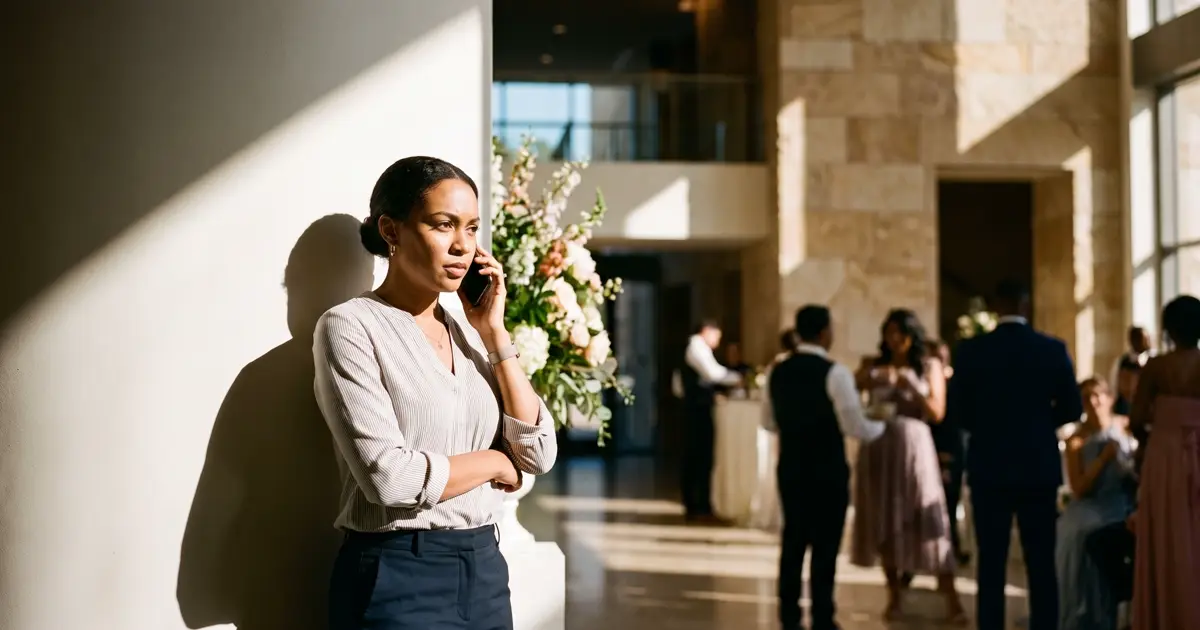
A wedding venue sells one of the biggest days in people's lives, often to couples comparing several places over a few weekends. The phone matters because enquiries are emotional and detailed. Yet the people who would answer are often on a tour, with a couple at a tasting, or at an event on the day itself.
This guide shows how to keep every enquiry warm without turning your phone line into a menu maze. It covers the callers a venue receives, the work an automated first response can do, how to capture an enquiry that your coordinator can act on, and how to stay available on the busiest weekends. It is relevant to wedding halls, estates, hotels with banqueting rooms and event spaces of any size.
Who calls a wedding venue
The main types of call
- New enquiriesCouples asking about dates, capacity and style. The most valuable calls.
- Visit requestsArranging a tour or a tasting.
- Couples already bookedChanges to numbers, timings and details as the day approaches.
- SuppliersPhotographers, florists, bands and caterers asking about access and set-up times.
- Guests and familyDirections, parking and accessibility on the day.
- Payment and contract questionsHandled by the office with the paperwork in front of them.
Each group needs a different tone and speed. A new enquiry deserves a warm, unhurried reply. A supplier on the morning of a wedding needs a quick practical answer. A guest looking for the car park needs the address and nothing more. Routing these differently is the foundation of a good setup.
What an automated first response can and cannot do
The first response is a gatekeeper, not a salesperson. It should make a couple feel heard, gather the essentials and promise a real follow-up. It should not describe prices, hold dates or answer questions about what is possible on a specific day.
Safe to automate versus personal
| Automatic first response | Coordinator | |
|---|---|---|
| Location and how to find you | Yes | If asked for tailored directions |
| Is the date available? | Never say; records the preferred dates | Checks the calendar and holds or declines |
| Prices and packages | Explains that a person will send details | Discusses and quotes |
| Arranging a visit | Records preferred days and times, says it is a request | Confirms the visit |
| Special requests (religion, diet, style) | Notes them in the caller's words | Judges what is possible |
| Changes to a booked event | Takes the message and flags urgency | Updates the plan and confirms |
The wording of a date check is important. A couple who hears "the date is free" may tell their families that evening. If it turns out someone else has held it, you have turned a hopeful enquiry into a complaint. Use phrases such as "I have noted your preferred dates, and our coordinator will check availability and contact you".
Capturing a complete enquiry
The most useful thing a first response can do is gather enough detail that your coordinator can call back with a real answer. It also saves the couple repeating themselves. Ask for these things in a relaxed way, one at a time, and let them add their own words.
A gentle enquiry flow
- WelcomeThank them for calling and name the venue.
- What are they planning?Wedding, reception, ceremony, another event.
- Dates and numbersPreferred dates, any flexibility, approximate number of guests.
- Style and prioritiesWhat matters most: setting, food, a particular season.
- ContactName, number, email and the best time to call back.
- Promise a timeTell them honestly when the coordinator usually replies.
| Detail | Why it matters |
|---|---|
| Preferred and alternative dates | Lets the coordinator check availability before calling |
| Guest numbers | Decides which rooms are suitable |
| Ceremony, reception or both | Shapes the proposal |
| How they found you | Helps you see which sources work |
| Concerns or special requirements | Shows you have listened |
| Contact details and preferred channel | Respect how they want to be reached |
Peak seasons and weekends
Wedding venues are busiest exactly when their staff are busiest. Weekends are for events, and enquiries are made on Saturday mornings and Sunday evenings, when couples have time to browse. Other peaks come after wedding fairs and in the weeks after the new year, when many couples start planning.
- Ensure weekend and evening enquiries are recorded and answered by a stated working day.
- On event days, give suppliers and guests a way to reach a named person who is on site.
- After a fair or an advert, expect a surge and prepare a short extra message.
- Review the enquiry list on Monday morning before anything else.
For more on handling calls when no one can answer, see After-Hours Call Handling for Small Businesses and Missed Calls: What They Cost.
Tours deserve their own routine. Confirm each visit by a message the day before, tell the couple who will meet them and how long to allow, and make sure that person has read the enquiry notes first. A couple who is greeted by name, with their preferred season and guest count already known, feels that the venue was listening from the first call. That impression is built on the quality of your notes more than on any technology.
Privacy and tone
Couples share personal details, including names, dates, budgets and family circumstances. Keep what you collect to what you need, tell callers if calls are recorded, and decide who may read the notes. If a caller mentions something sensitive, such as a bereavement affecting the plans, make sure the person who calls back knows before they dial.
Tone is a business asset here. A recorded message that sounds brisk and corporate can undo the effect of a beautiful website. Write your greeting as you would speak it to a visitor in the entrance hall, and read it aloud before you finalise it.
Preparing your venue line
- Write the greeting in your own voice and read it aloud
- List the facts that can be given automatically: address, parking, how to arrange a visit
- Agree what must never be promised: dates, prices, special arrangements
- Choose the fields for an enquiry and use them every time
- Give suppliers and guests an event-day route
- Decide who reads enquiries each morning and how fast they respond
- Test as a couple, as a supplier and as a lost guest
Doing it in Call
In Call, you create an AI agent for the venue's phone line and give it the facts it may use, as text, Q&A, files or website pages. The agent answers from those sources and tells callers when it cannot confirm something. It does not hold dates, quote prices or book visits itself; it can take a request. Business hours decide when a caller who asks for a person is put through, and holidays and closures are set separately.
Enquiries that need a person appear in a list with a summary and the full conversation, and the team can call back from there. You can also publish a booking page, so a couple can request a visit time, which a coordinator then manages. Try the test call from your own phone before you go live.
Frequently asked questions
Can an automated system tell a couple whether a date is free?
It should not. Availability changes and a mistaken answer can cause real distress. It can record the preferred dates and pass them to a coordinator.
What should the first response collect from a new enquiry?
Preferred dates, approximate guest numbers, the type of event, style or priorities, and contact details with a best time to call.
Is it appropriate to quote prices on an automated call?
Most venues prefer a person to discuss costs, because the total depends on the date, guest numbers and choices. An automated message can explain that details will be sent.
How do we handle calls on the wedding day itself?
Give suppliers and guests a route to a named person who is on site, and keep the general line for enquiries.
How quickly should enquiries be answered?
As fast as you can reliably manage. Many couples contact several venues at once, so a reply within hours is a real advantage. State a realistic time and keep to it.
Should wedding enquiries be recorded?
If you record calls, tell callers, restrict who can listen and set a retention period. Check your local rules on recording and personal data.